
Did you know that the average American household generates over 7 tons of carbon dioxide annually just from electricity? This staggering figure highlights why carbon footprint reduction is more vital than ever for our planet.
Adopting sustainable energy use at home does not require a complete overhaul of your lifestyle. By making small, intentional adjustments, you can effectively reduce energy consumption while saving money on monthly bills.
Embracing a green energy transition starts with simple behavioral changes that anyone can master. Whether you are upgrading appliances or changing daily habits, these steps create a healthier living space. This guide serves as a friendly roadmap for modernizing your residence with efficiency in mind.
Key Takeaways
- Small daily habits significantly lower your household carbon output.
- Modernizing appliances is a key step toward better efficiency.
- Reducing power waste saves money and protects the environment.
- A green transition is accessible for every type of residence.
- Simple behavioral shifts lead to long-term ecological benefits.
Assessing Your Current Sustainable Energy Use at Home
Understanding your home’s energy footprint is the first step toward true sustainability. Before you can make meaningful changes, you must gain a clear picture of how your household consumes power. By focusing on sustainable energy use at home, you can create a roadmap for long-term efficiency and comfort.
Conducting a DIY Home Energy Audit
You do not need a professional to get started with a home energy audit. A simple walk-through of your property can reveal significant opportunities to reduce energy consumption. Start by checking your utility bills from the past year to establish a baseline for your usage patterns.
Follow these simple steps to perform your own assessment:
- Inspect all windows and doors for drafts or air leaks.
- Check the settings on your water heater and thermostat.
- Examine your light bulbs to see if they are outdated incandescents.
- Look for appliances that remain plugged in when not in use.
Identifying Major Energy Wasters
Effective energy waste identification is essential if you want to lower utility bills consistently. Many homeowners overlook “phantom loads,” which occur when electronics draw power even while turned off. These small, hidden drains add up quickly over the course of a month.
“The most sustainable energy is the energy you do not use in the first place.”
Beyond phantom power, older appliances often act as silent budget killers. A refrigerator from the 1990s, for example, might use twice the electricity of a modern, efficient model. By identifying these specific culprits, you can prioritize your upgrades and make smarter investments for your home.
| Common Waste Source | Impact Level | Quick Fix |
|---|---|---|
| Phantom Loads | Moderate | Use Power Strips |
| Drafty Windows | High | Apply Weatherstripping |
| Old Lighting | Low | Switch to LED |
Implementing Energy Efficiency Upgrades
Transforming your living space into a high-performance environment starts with strategic physical improvements. By focusing on energy efficiency upgrades, you can create a more comfortable home while actively reducing your environmental impact. These changes are essential for any homeowner looking to embrace eco-friendly home energy practices that stand the test of time.
Optimizing Insulation and Sealing Air Leaks
One of the most effective ways to improve your home is by addressing the building envelope. Proper insulation keeps your living space warm in the winter and cool during the summer months. The home insulation benefits extend beyond just comfort, as they help maintain consistent indoor temperatures without overworking your mechanical systems.
You should also focus on sealing air leaks around windows, doors, and attic hatches. Even small gaps can lead to significant energy loss over time. By sealing these areas, you ensure that your climate control efforts remain contained within your living space.
Upgrading to Energy Star Certified Appliances
When it is time to replace old equipment, choosing Energy Star appliances is a smart financial move. These products are designed to meet strict efficiency guidelines set by the EPA, ensuring they use less power than standard models. Investing in these certified units is a proven way to achieve lower utility bills while supporting sustainable manufacturing.
Choosing Efficient HVAC Systems
Your heating and cooling system is often the largest consumer of electricity in your home. Selecting an energy-efficient HVAC system can drastically change your monthly energy consumption. Modern units offer advanced features like variable-speed motors that adjust output based on your actual needs, providing superior comfort and efficiency.
Switching to LED Lighting Solutions
Upgrading your light bulbs is perhaps the simplest and most immediate change you can make. LED lighting efficiency is far superior to traditional incandescent bulbs, as they consume a fraction of the energy and last significantly longer. By making this simple switch, you can brighten your home while keeping your energy usage to a minimum.
Adopting Renewable Energy Technologies
You can transform your home into a clean power plant by adopting the latest renewable energy technologies. Moving away from traditional grid reliance allows you to generate your own electricity while reducing your environmental impact. This shift not only benefits the planet but also provides long-term financial stability for your household.
Installing Residential Solar Panel Systems
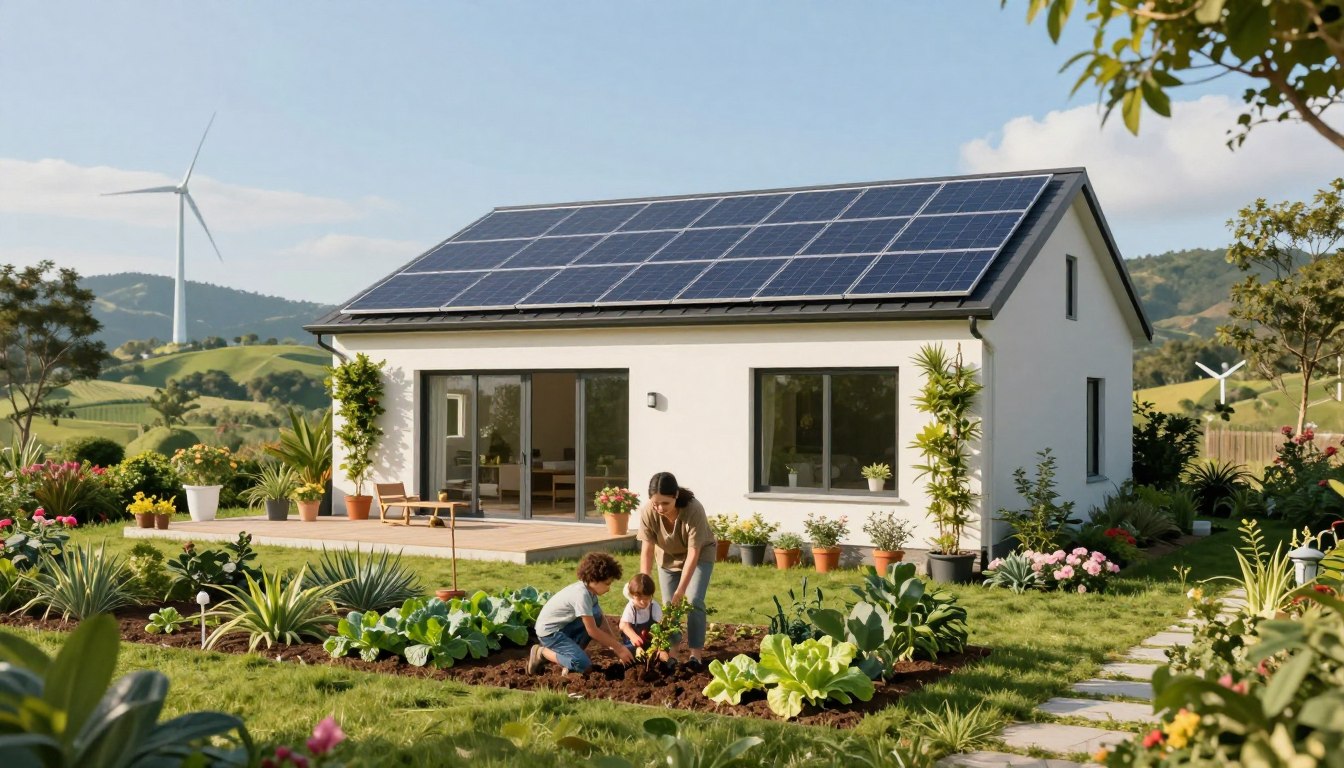
Investing in residential solar panels is one of the most effective ways to capture clean energy directly from the sun. These systems convert sunlight into usable electricity, which powers your appliances and lighting throughout the day. Many homeowners find that this transition significantly lowers their monthly utility bills.
Beyond the immediate savings, you may also qualify for various renewable energy incentives. Federal tax credits and local rebates often help offset the initial installation costs. Taking advantage of these programs makes the switch to solar a smart financial decision for many families.
Utilizing Smart Home Energy Management Systems
Once you generate your own power, you need a way to track how it is used. Smart home energy management systems provide the visibility required to optimize your daily consumption patterns. These platforms act as the brain of your home, ensuring that every watt is used efficiently.
Monitoring Consumption with Sense Energy Monitors
A Sense energy monitor provides real-time data on your home’s electrical usage. By identifying which devices consume the most power, you can make informed decisions about when to run heavy appliances. This level of insight is essential for reducing waste and maximizing the output of your solar array.
Automating Climate Control with Nest Learning Thermostats
Climate control automation is another vital component of an efficient home. A Nest learning thermostat adjusts your heating and cooling based on your schedule and preferences. It learns when you are away, ensuring that you never waste energy on an empty house.
| Technology | Primary Benefit | Efficiency Impact |
|---|---|---|
| Solar Panels | Clean Power Generation | High |
| Sense Monitor | Real-time Usage Data | Medium |
| Nest Thermostat | Automated Climate Control | High |
Conclusion
Transforming your living space into an efficient sanctuary requires a blend of modern technology and daily mindfulness. You hold the power to shape your environment through consistent sustainable home maintenance that protects your investment and the planet.
Adopting simple sustainable living tips creates a ripple effect across your entire household. Small adjustments to your daily routine lead to a measurable carbon footprint reduction over time. These habits turn your residence into a model of efficiency for your neighbors and community.
Your green energy transition starts with the choices you make today. Whether you choose to monitor your usage with a Nest thermostat or upgrade your insulation, every action counts. These steps ensure your home remains comfortable while lowering your utility bills.
We encourage you to share your progress with friends or family members interested in similar upgrades. Building a network of support makes the journey toward efficiency more rewarding. Start your path toward a cleaner home today and enjoy the lasting benefits of a smarter, more sustainable lifestyle.