
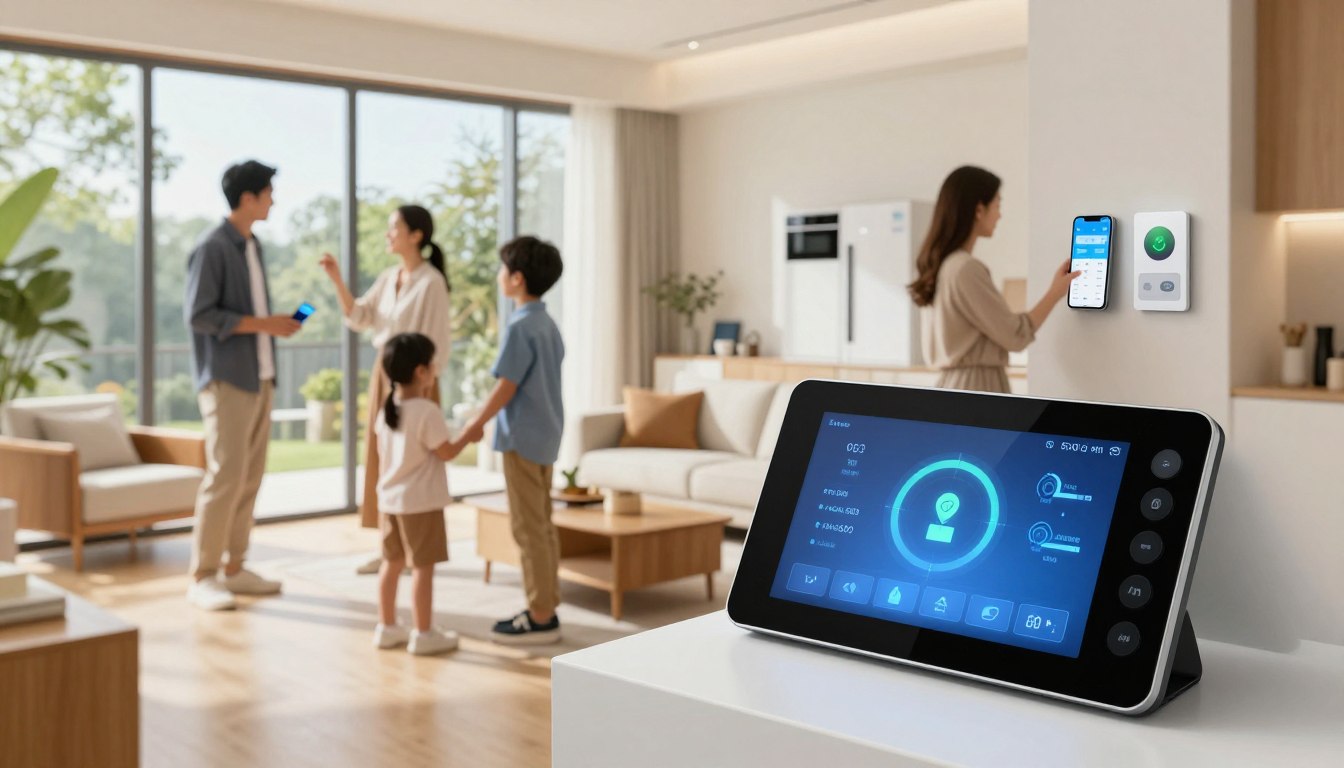
Did you know that the average American residence loses nearly 25% of its power due to outdated habits and inefficient systems? This massive waste impacts both your wallet and the planet. By adopting smart energy management for households, you can finally take control of your consumption patterns.
Improving home energy efficiency is no longer a complex chore reserved for experts. Modern digital tools allow you to monitor your usage in real-time, turning your living space into a responsive environment. These innovations make sustainable living accessible to everyone, regardless of their technical background.
Embracing these changes supports a broader commitment to green living. You will enjoy a more comfortable home while reducing your environmental footprint. It is time to transform how you interact with your utilities and build a brighter, more efficient future.
Key Takeaways
- Identify hidden power drains to lower monthly utility bills.
- Use digital tools to automate your daily power consumption.
- Create a more comfortable and responsive living environment.
- Support long-term environmental goals through simple daily habits.
- Gain peace of mind by tracking your ecological impact in real-time.
Getting Started with Smart Energy Management for Households
Transforming your living space into a hub of efficiency begins with a clear look at your daily energy habits. Implementing smart energy management for households is not just about buying gadgets; it is about creating a system that works for your specific lifestyle. By taking a methodical approach, you can ensure that every upgrade contributes to a more sustainable and cost-effective home.
Assessing Your Current Energy Consumption Patterns
Before you invest in new technology, you must identify where your power goes. Start by reviewing your past twelve months of utility bills to spot seasonal spikes in usage. This simple step provides the baseline needed to improve your home energy efficiency over time.
Many modern utility providers offer digital dashboards that break down usage by the hour. You can also use energy-saving tips like performing a manual audit of your appliances to see which ones run constantly. Understanding these patterns helps you decide which areas of your home need the most attention.
Selecting the Right Smart Home Ecosystem
Choosing a central platform is the next vital step in your journey. Your ecosystem acts as the brain of your house, connecting various devices into one unified interface. Compatibility is key, so check if your existing hardware works with your chosen platform before making a purchase.
Choosing Between Google Home, Amazon Alexa, and Apple HomeKit
Each major platform offers unique strengths for smart home automation. Google Home excels at integration with search-based services and Android devices, making it highly intuitive for many users. Amazon Alexa boasts the widest range of compatible third-party devices, offering unmatched flexibility for your setup.
Apple HomeKit is often preferred by those who prioritize privacy and security above all else. It provides a seamless experience for users already embedded in the Apple ecosystem. Consider your current devices and personal preferences to determine which hub fits your needs best.
Prioritizing Devices with Energy Star Certification
When you begin adding new hardware, always look for the Energy Star label. These energy-efficient appliances are independently certified to use less power without sacrificing performance. Investing in these products ensures that your smart home remains truly green throughout its lifespan.
By combining smart controls with high-efficiency hardware, you create a powerful foundation for long-term savings. This dual approach minimizes waste and maximizes the impact of your automation efforts. Consistency is the secret to maintaining a high level of efficiency in any modern household.
Step-by-Step Implementation of Smart Energy Controls
Building an energy-efficient home requires a strategic approach to installing and configuring smart devices. By focusing on high-impact areas, you can easily implement energy-saving tips that yield immediate results. This process helps you reduce electricity bills while maintaining a comfortable living environment.
Installing Smart Thermostats for Climate Optimization
A smart thermostat acts as the brain of your HVAC system. It learns your preferences and adjusts temperatures automatically to prevent heating or cooling an empty house. This smart home automation ensures that your climate control runs only when necessary.
Programming Schedules for Peak and Off-Peak Hours
Most utility companies charge higher rates during peak demand hours. You should program your thermostat to reduce activity during these times to save money. Consistency is key when setting these schedules to maximize your long-term savings.
Automating Lighting with Smart Bulbs and Motion Sensors
Lighting often accounts for a significant portion of household energy use. Replacing standard bulbs with smart LED versions allows for precise control over brightness and timing. Motion sensors add another layer of efficiency by ensuring lights stay off in unoccupied rooms.
Utilizing Geofencing to Ensure Lights Turn Off When You Leave
Geofencing technology uses your smartphone’s location to trigger home actions. When you leave the designated perimeter, your system automatically shuts off all lights. This feature provides peace of mind, knowing you never left a light on by mistake.
Managing Phantom Loads with Smart Plugs
Many devices continue to draw power even when they appear to be turned off. This hidden energy drain is known as a phantom load. Smart plugs allow you to cut power to these devices completely when they are not in use.
Identifying Energy-Draining Appliances in Standby Mode
Common culprits include gaming consoles, televisions, and coffee makers. You can use smart plugs to schedule these energy-efficient appliances to power down during the night. This simple step prevents wasted electricity without requiring manual effort.
Monitoring Usage with Real-Time Energy Dashboards
Knowledge is power when it comes to managing your home’s efficiency. Real-time energy consumption monitoring provides a clear view of how and when you use electricity. These dashboards highlight exactly which devices are driving up your costs.
Analyzing Data to Adjust Daily Habits
Reviewing your usage data weekly helps you identify patterns that lead to waste. You might discover that your laundry habits or kitchen usage contribute more to your bill than expected. Making small, data-driven adjustments to your daily routine can lead to significant financial savings.
| Smart Device | Primary Benefit | Efficiency Impact |
|---|---|---|
| Smart Thermostat | Climate Control | High |
| Smart Plugs | Phantom Load Removal | Medium |
| Smart Lighting | Automated Usage | Medium |
| Energy Monitor | Data Insights | High |
Conclusion
Adopting modern automation tools creates a path toward significant savings. You can easily reduce electricity bills by taking control of your home environment today. These small changes lead to lasting financial benefits for your household.
Consistent energy consumption monitoring serves as the foundation for long-term success. Tracking your data helps you identify waste and optimize performance across all connected devices. Brands like Ecobee and Philips Hue make this process intuitive for every user.
Embracing these habits supports a commitment to sustainable living. You contribute to a healthier planet while enjoying the comfort of a modern, responsive home. This shift toward green living reflects a thoughtful approach to resource management.
Your journey toward efficiency remains an ongoing process of improvement. Share your progress with neighbors or friends to inspire others in your community. Start your transformation now to enjoy a smarter and more efficient lifestyle.